

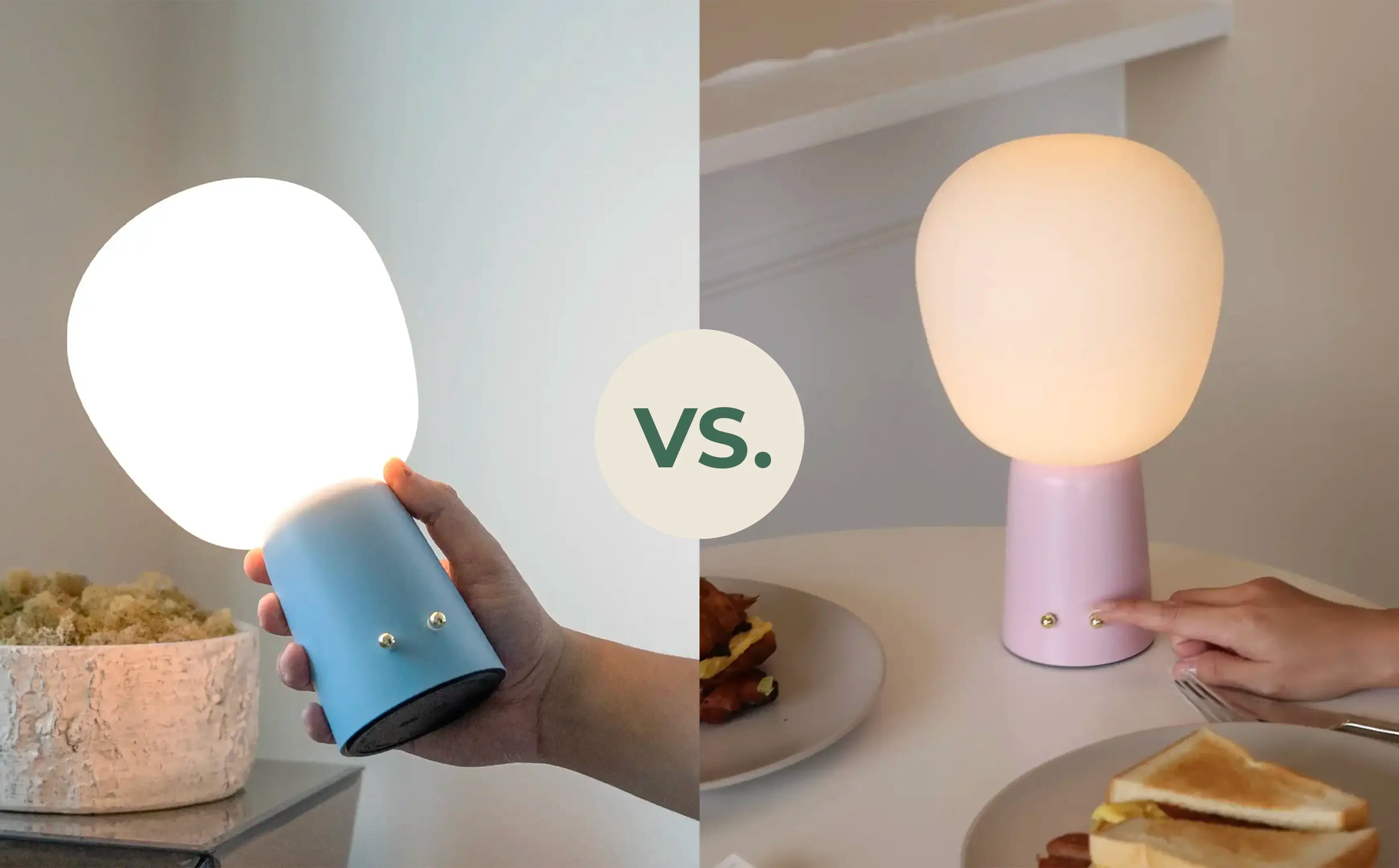
Warm vs. Cool LEDs: Choosing the Right Tone for Cozy Evenings
Light Isn’t Just Bright — It’s Mood
Lighting does more than help you see; it sets the tone for how you feel in a space.
The right light can make your home feel calm, cozy, and welcoming — or bright, fresh, and focused.
If you’ve ever wondered why some lights make a room feel like a cozy café while others feel like a workspace, the secret lies in the color temperature of your LEDs.
Let’s break down the difference between warm and cool lighting — and how to choose the perfect tone for your evenings at home.
Understanding Color Temperature
Every LED bulb is measured in Kelvin (K) — a scale that describes how “warm” or “cool” the light appears.
-
Warm White (2,700K–3,000K):
Gives off a golden, amber glow similar to candlelight or classic incandescent bulbs.
Perfect for creating relaxing, cozy atmospheres. -
Neutral White (3,500K–4,100K):
Balanced light that feels natural and clear, great for kitchens or bathrooms. -
Cool White / Daylight (5,000K–6,500K):
Crisp, bluish-white light that mimics daylight.
Ideal for task areas, workshops, or offices where clarity and focus matter.
Warm LEDs: For Comfort, Calm, and Connection
Warm LEDs are your go-to for evening spaces — bedrooms, living rooms, and dining areas.
They reduce eye strain at night and create a soft glow that encourages relaxation.
Use warm tones when you want to:
-
Wind down after a long day
-
Create a welcoming atmosphere for guests
-
Enjoy dinner or movie nights in a cozy glow
Design tip: Pair warm LEDs with wood accents, textured fabrics, or neutral tones to enhance the soothing ambiance.
Cool LEDs: For Energy, Focus, and Function
Cool LEDs shine in places where you need clarity and concentration — like your workspace, kitchen, or bathroom.
They mimic daylight and help keep you alert and productive.
Use cool tones when you want to:
-
Boost focus during the day
-
Illuminate mirrors or countertops
-
Make details pop in craft or reading areas
Design tip: Combine cool lighting with modern or minimalist decor — think clean lines, metal finishes, and bright colors for a crisp, fresh vibe.
Blending Both Worlds
You don’t have to choose just one — in fact, the best homes use a mix of warm and cool lighting.
For instance:
-
Use cool white in kitchens or home offices for clarity.
-
Add warm white in living areas and bedrooms for calmness.
-
Install dimmable LEDs or tunable smart bulbs to adjust warmth throughout the day — bright and cool in the morning, warm and soft at night.
This creates a natural rhythm that aligns with your body’s internal clock and makes your evenings more restful.
🌙 The Sustainable Takeaway
Choosing the right LED tone isn’t just about style — it’s about well-being and energy efficiency.
LEDs use up to 80% less energy than traditional bulbs, and when selected thoughtfully, they help you create spaces that feel just right, any time of day.
So tonight, when you switch on your lights, think beyond brightness.
Think warmth, calm, and connection — the simple glow that turns any evening into home.
Share:
Teaching Kids Sustainability with Everyday Household Items
Eco-Labels Decoded: BPI, TÜV, and Other Certifications Explained