

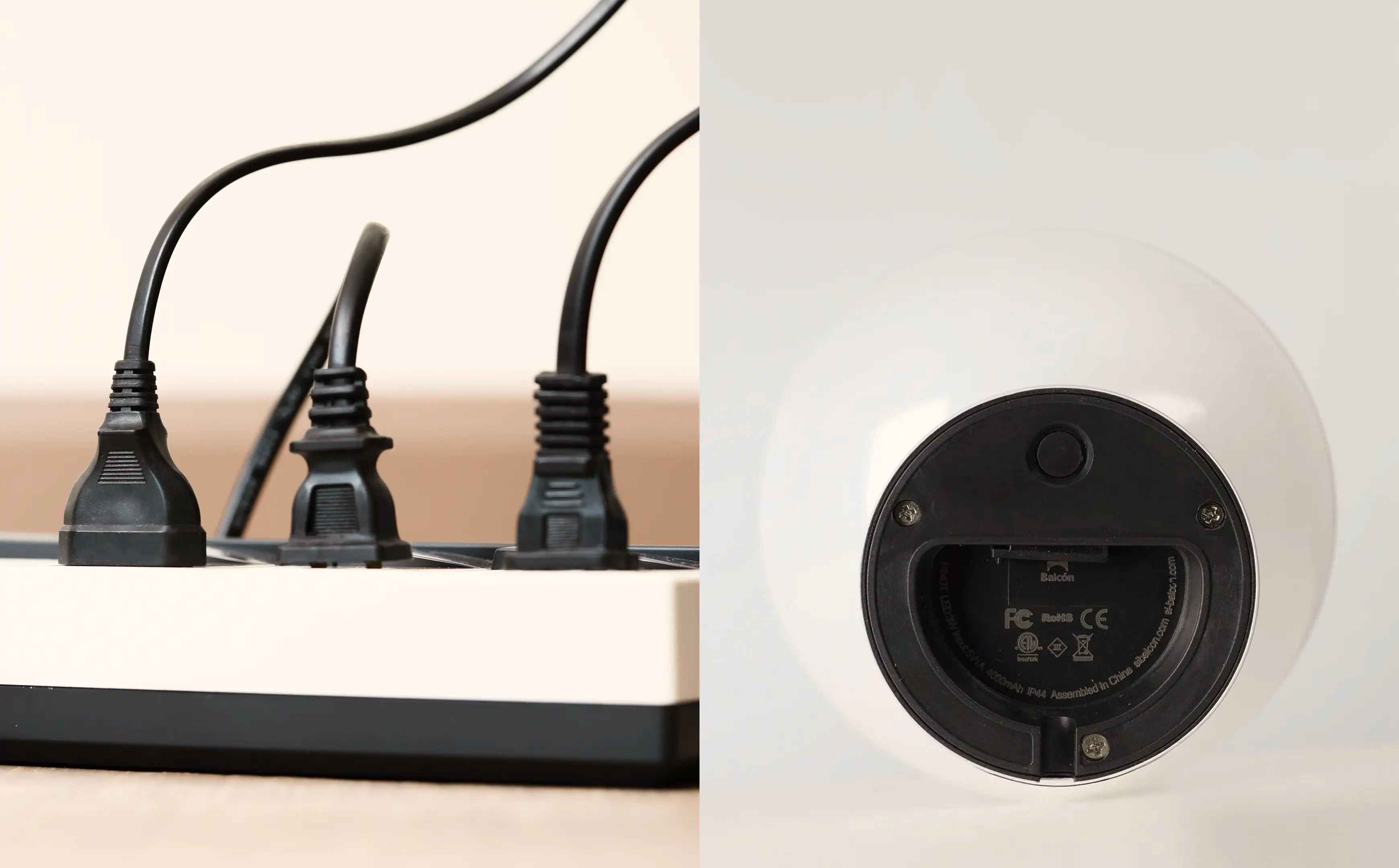
Battery vs. Plug-In Lamps: Environmental Impact Comparison
Light Choices, Planet Impact
Lighting does more than brighten a space — it shapes energy use, resource consumption, and waste.
With portable lighting becoming more popular, especially battery-powered LED lamps, many eco-conscious households are asking:
Which option is truly better for the planet — battery-operated or plug-in lamps?
Let’s shed some light on the environmental impact of both, so you can make the most sustainable choice for your space. 💡🌱
1. Energy Source: Where the Power Comes From
Plug-in lamps draw electricity directly from the grid.
If your power source is renewable (like solar or wind), the environmental footprint is relatively low.
However, in regions still dependent on fossil fuels, plug-in lights indirectly contribute to carbon emissions.
Battery-powered lamps, on the other hand, store energy from rechargeable or disposable batteries.
While rechargeable batteries reduce waste and allow off-grid flexibility, they still require energy to charge — often from the same power grid — and come with additional production and disposal impacts.
Verdict: Plug-in lamps are generally more energy-efficient over time, especially when paired with LED bulbs and renewable power sources.
2. Manufacturing & Materials
Battery lamps require more complex manufacturing, including lithium, nickel, and cobalt for rechargeable cells — all materials linked to resource extraction and environmental stress.
Plug-in lamps are typically simpler: cords, sockets, and LEDs. Their footprint mostly depends on the materials used for the lamp body and bulb.
Verdict: Plug-ins win on simplicity and lower material intensity. Batteries carry a higher extraction footprint unless recycled responsibly.
3. Usage Efficiency
Both types of lamps use similar LED technology — the key difference lies in energy conversion losses.
-
Plug-ins provide steady power, operating at consistent brightness and efficiency.
-
Batteries lose efficiency during charging and discharge cycles. Over time, rechargeable batteries degrade, holding less charge and needing replacement.
Verdict: Plug-in lamps maintain higher lifetime efficiency, consuming less energy overall.
4. Disposal & End-of-Life Impact
This is where plug-in lamps often outperform battery units.
Plug-ins can last 10+ years with minimal waste if their LEDs are replaceable.
Battery lamps, even rechargeable ones, eventually need new cells — and if those cells aren’t recycled, they can leak heavy metals and chemicals into the environment.
Verdict: Plug-ins have the edge here too, as long as users properly recycle their bulbs and cords.
5. When Battery Lamps Make Sense
Battery-powered lighting isn’t inherently unsustainable — it depends on how and why it’s used.
They’re excellent for:
-
Outdoor settings where wiring isn’t practical
-
Emergency lighting
-
Solar-charged setups, where they store renewable energy instead of grid electricity
If you choose battery lamps, opt for models with replaceable rechargeable batteries and recycle them through certified drop-off points.
🌍 The Sustainable Takeaway
When it comes to environmental impact, plug-in lamps generally have a lower overall footprint — especially when powered by renewable energy and fitted with efficient LEDs.
Battery-powered lamps shine in specific cases (mobility, emergencies, solar use), but they require careful battery management and recycling to stay truly sustainable.
So whether you plug in or power up, remember:
The most eco-friendly light is the one that lasts — efficient, repairable, and used with purpose. ✨
Share:
Eco-Labels Decoded: BPI, TÜV, and Other Certifications Explained
DIY USB-C Charging Station to Organize Cordless Lamps