

When you shop for a task light, it is easy to assume that brighter is always better. A larger lumen number must mean clearer vision, better focus, and a more useful lamp—right?
Not necessarily.
The best task light is not simply the brightest one. It is the light that gives you enough illumination for what you are doing, in the space where you are doing it, without creating harsh glare or unnecessary visual fatigue. Understanding lumens can help you find that balance.
First, What Is a Lumen?
A lumen measures the total amount of visible light produced by a light source. The higher the lumen rating, the more light the lamp emits.
This is different from watts, which measure how much energy a light uses. With older incandescent bulbs, people often used wattage as a shortcut for brightness. LEDs are much more efficient, so two lights using the same number of watts can produce very different levels of brightness. That is why lumens are the more useful number to compare.
There is one important catch: lumens describe the light leaving the lamp, not exactly how much light reaches your book, keyboard, or work surface. Distance, angle, beam spread, and surrounding light all affect how bright the task area actually feels.
How Many Lumens Do You Need?
The ideal range depends on the activity. These figures are useful starting points for a dedicated task light—not rigid rules.
| Activity | Suggested light output | What to look for |
|---|---|---|
| Relaxed bedside reading | 200–450 lumens | Soft, focused light that does not brighten the whole room |
| Reading or writing at a desk | 450–800 lumens | Even illumination with minimal page glare |
| Computer work | 300–500 lumens | Balanced light that reduces contrast around the screen |
| Cooking or food preparation | 450–1,000 lumens | Clear, direct light across the work surface |
| Sewing, crafting, or detailed hobbies | 800–1,500 lumens | Brighter, concentrated light with good color accuracy |
| Small repairs or precision work | 1,000+ lumens | Strong, closely positioned light with controlled direction |
Your preferred brightness may be higher or lower. People with aging eyes often benefit from more light, while a very reflective white desk may require less output than a dark, matte surface. The best approach is to start within the recommended range and adjust the lamp’s distance or position until details look clear and comfortable.
Why More Lumens Can Sometimes Feel Worse
Too little light can make your eyes work harder, but too much poorly placed light can be equally uncomfortable. A bright lamp aimed toward your face, reflected in a screen, or concentrated on glossy paper may create glare. The result can be squinting, headaches, or the feeling that your eyes are tired even though the space is technically well lit.
Placement matters as much as output. Position a task light so it illuminates the work surface without shining directly into your eyes. If you write or draw by hand, place the lamp on the side opposite your dominant hand to help keep shadows off the page.
For screen-based work, avoid pointing the light directly at the monitor. Instead, use it to softly illuminate the desk and reduce the sharp contrast between a bright screen and a dark room.
Lumens vs. Lux: The Helpful Detail Most Labels Leave Out
If lumens measure how much light a lamp produces, lux measures how much of that light lands on a surface. One lux equals one lumen spread across one square meter.
You do not need to calculate lux every time you turn on a lamp. The concept simply explains why the same light can feel bright when placed close to a book and much dimmer from across the room. As distance increases, light spreads over a wider area and less of it reaches the task surface.
This is one reason portable lighting can be so practical: instead of flooding an entire room with more light, you can bring a focused light closer to the place where it is needed.
Brightness Is Only Part of Good Task Lighting
Lumens are important, but they do not tell the whole story. A comfortable task light also depends on these factors:
Color temperature
Measured in kelvins, color temperature describes whether light appears warm or cool.
-
2700K–3000K: Warm and relaxing; a natural fit for bedside reading and evening routines.
-
3500K–4000K: Neutral and balanced; useful for desks, kitchens, and everyday tasks.
-
5000K and above: Cool and energizing; helpful for highly detailed work, though it may feel harsh in restful spaces.
Beam angle
A narrow beam concentrates light in a smaller area, while a wider beam distributes it more gently. A focused beam can make a modest number of lumens feel bright on a page. A broad beam may feel softer, even when the lamp produces more total light.
Color rendering
The Color Rendering Index, or CRI, indicates how accurately colors appear under a light source. A higher CRI can be especially helpful for art, makeup, food preparation, sewing, and any task where subtle color differences matter.
Adjustability
Your lighting needs can change throughout the day. A bright setting may help with detailed work, while a lower setting can feel better during a quiet evening. A light that is easy to reposition or dim gives you more control than a single, fixed level of brightness.
A Simple Three-Step Brightness Test
Numbers can narrow your options, but your eyes should make the final decision. Try this quick test:
-
Look at the task, not the lamp. Fine details should appear clear without squinting or leaning forward.
-
Check for glare and shadows. Move the light until reflections disappear and your hands no longer block the working area.
-
Reassess after 15 minutes. If your eyes feel strained, the problem may be insufficient light, excessive brightness, or poor positioning.
Small adjustments can make a noticeable difference. Moving a lamp closer may be more effective than increasing its output, and lowering it slightly may eliminate glare without making the work surface too dark.
The Right Light Is the One That Fits the Moment
For most everyday reading and desk tasks, a few hundred well-directed lumens are more useful than an extremely bright light across the room. Detailed crafts and precision work generally require more, but thoughtful placement remains essential.
That is the real science of task lighting: brightness works best when it is matched to the activity, the environment, and the person using it.
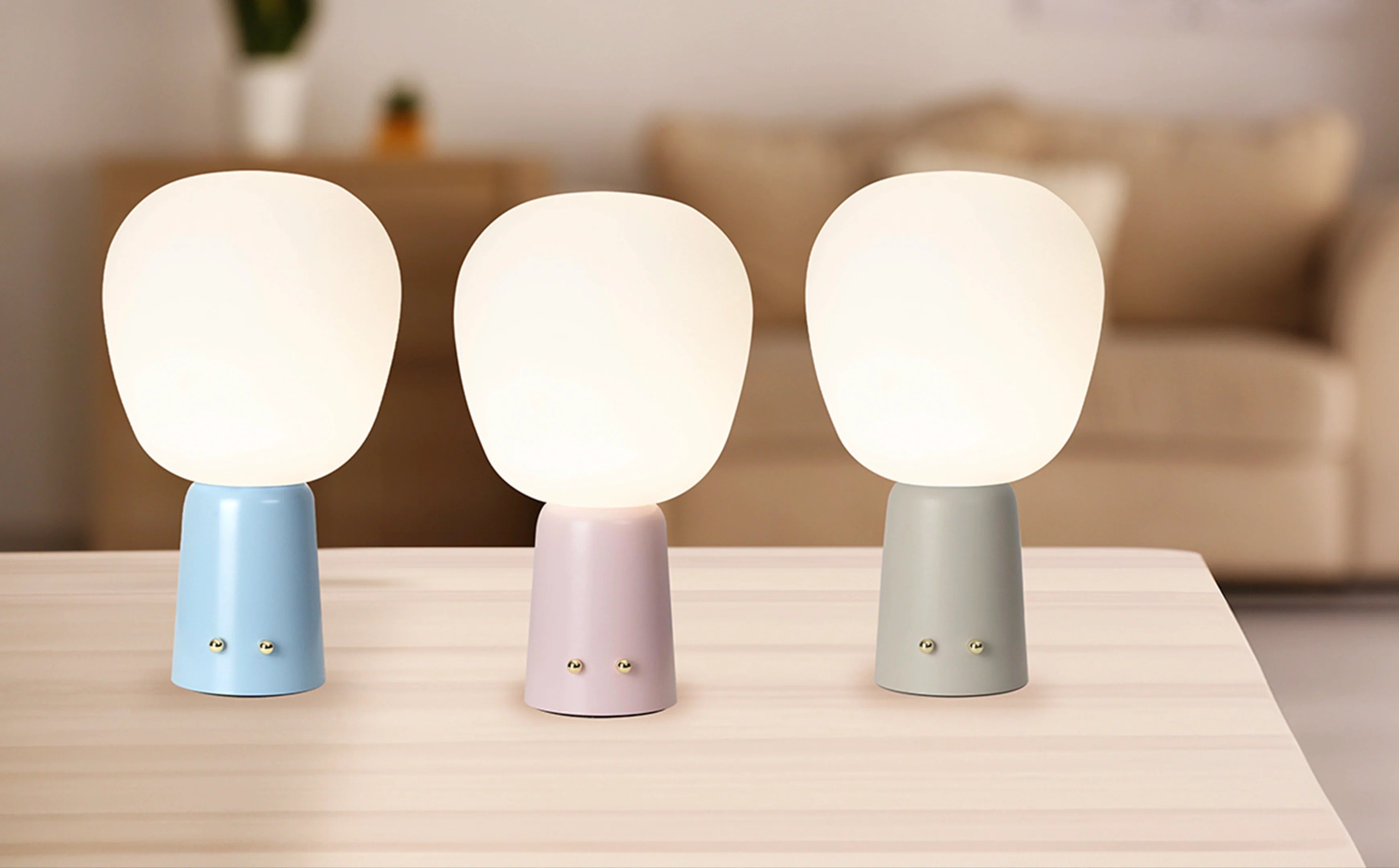
Portable LED lighting makes that balance easier. An Owlpack lamp can be placed where you need it—on a desk, beside a favorite chair, or near a creative workspace—so you can add focused light without redesigning the entire room. Start with the task, adjust the position, and choose the brightness that lets you see clearly and comfortably.
Because the best light is not the one with the biggest number. It is the one that helps you do what you love with less strain and more ease.
Share:
Sustainable Travel Hacks: Packable LED Lamps
Going “Plastic Negative”: What It Means & Our Roadmap