

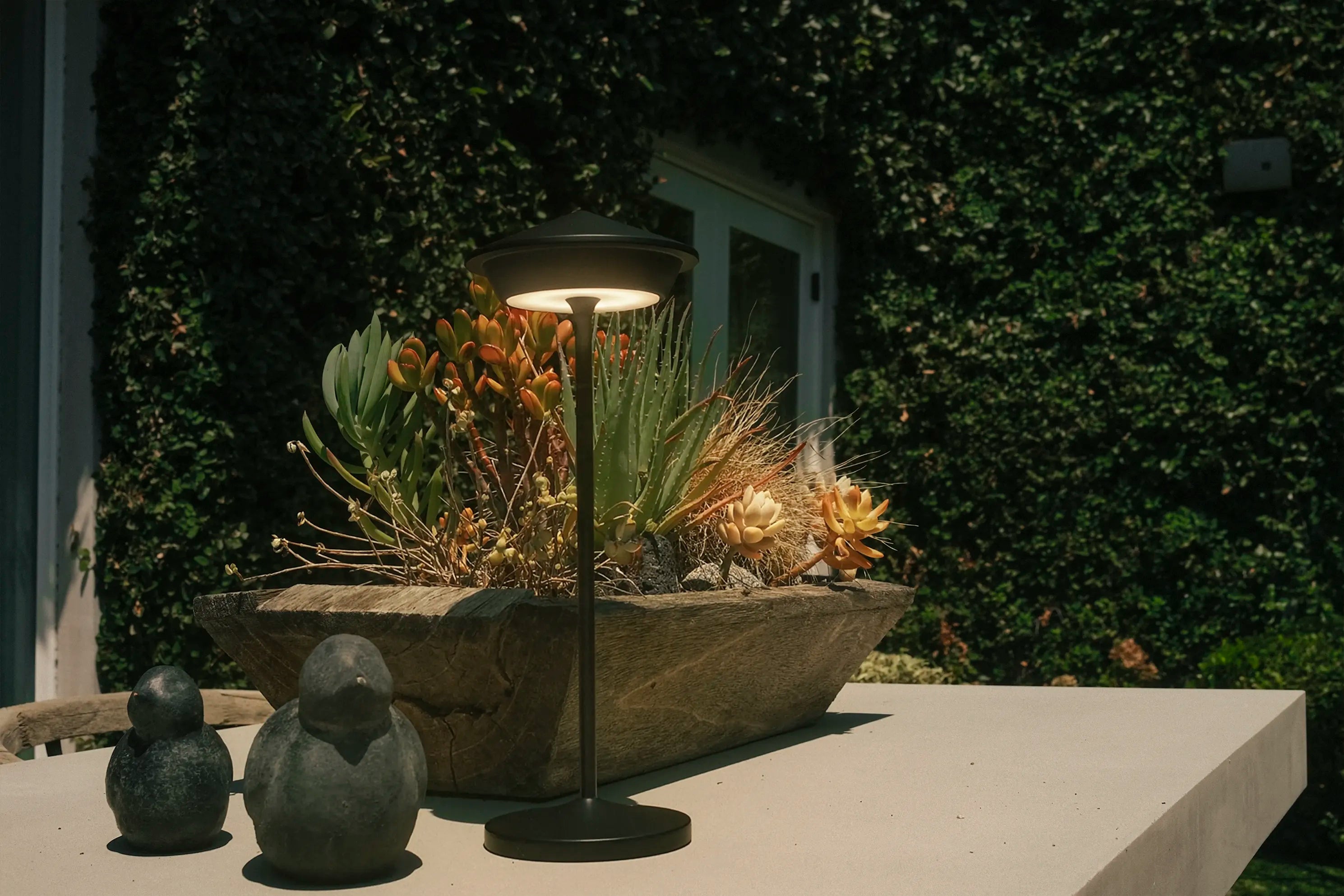
When shopping for a task light, “lumens” is usually the first spec you see—and the most misunderstood. More lumens don’t always mean better lighting. In fact, too much brightness can cause eye strain, glare, and discomfort.
So how bright do you actually need? Let’s break it down.
What Are Lumens, Really?
Lumens measure total visible light output—not how hot a bulb gets, not how much energy it uses, and not how “strong” it feels. Simply put:
Lumens = the brightness you can see
Higher lumens mean more light, but how that light is used matters just as much.
Lumens vs. Watts (Why Watts Don’t Matter Anymore)
Back when bulbs were incandescent, watts loosely indicated brightness. Today, with LEDs, watts only measure energy use.
Two LED lamps using the same wattage can have completely different brightness levels. That’s why lumens—not watts—are the number that actually matters when choosing a task light.
How Many Lumens Do You Need?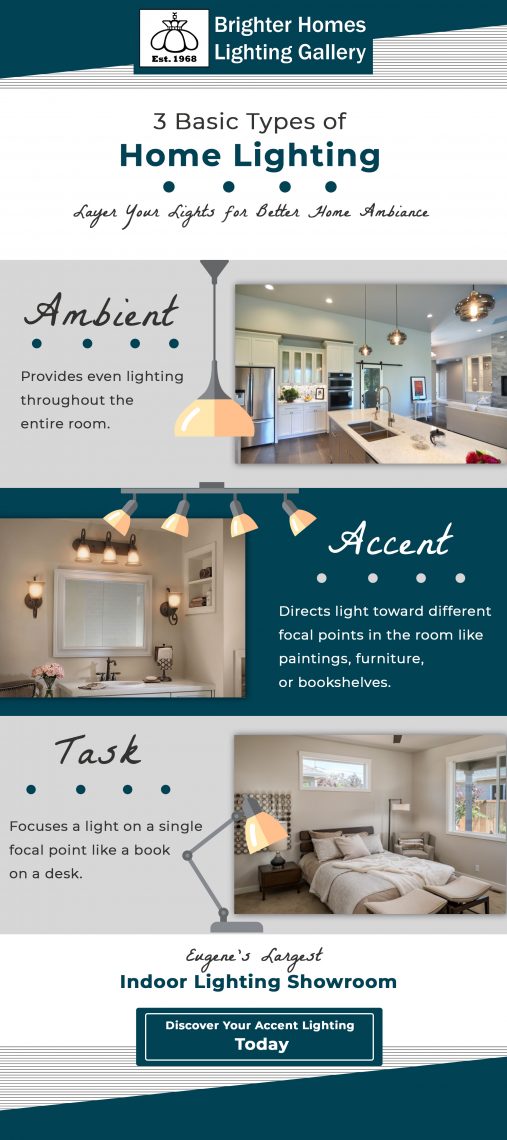
Here’s a practical guide based on real activities:
Low Task Lighting (150–300 lumens)
Best for:
-
Ambient lighting
-
Accent lighting
-
Evening relaxation
-
Mood lighting
Soft light, minimal eye strain—perfect when you don’t need sharp focus.
Medium Task Lighting (300–500 lumens)
Best for:
-
Reading
-
Writing
-
Computer work
-
Light crafting
This is the sweet spot for most everyday tasks. Bright enough to see clearly without feeling harsh.
High Task Lighting (500–800 lumens)
Best for:
-
Detailed work
-
Drawing or sewing
-
Kitchen prep
-
Workshops
Use higher lumens only when precision matters. For prolonged use, adjustable brightness is key.
Why Adjustable Brightness Matters More Than Max Lumens
The best task light isn’t the brightest—it’s the most adaptable.
Being able to dim your light:
-
Reduces eye fatigue
-
Adjusts for time of day
-
Matches different tasks
-
Prevents harsh glare
That’s why Owlpack lamps focus on adjustable dimming, letting you choose the right brightness instead of locking you into one level.
Light Placement Matters (A Lot)
Brightness alone doesn’t determine comfort. Placement changes everything.
Tips for better task lighting:
-
Position light slightly to the side, not directly in front
-
Avoid exposed bulbs at eye level
-
Use diffused light for softer shadows
-
Pair task light with ambient lighting for balance
Even a moderate-lumen lamp can feel brighter—and better—when placed correctly.
Warm vs. Cool Light: Don’t Ignore Color Temperature
Lumens tell you how much light. Color temperature tells you how it feels.
-
Warm light (2700K–3000K): Relaxing, cozy, great for evenings
-
Neutral light (3500K–4000K): Balanced, ideal for most tasks
-
Cool light (5000K+): Alert, crisp, best for short, focused sessions
Owlpack lamps are designed to deliver comfortable, glare-free light, so brightness never feels overwhelming.
So… How Bright Do You Really Need?
For most people:
-
300–500 lumens + dimming covers 90% of daily tasks
-
Adjustable brightness beats maximum output
-
Comfortable light = better focus + less fatigue
More lumens aren’t better—better control is.
Lighting That Works With You
Good lighting adapts to your routine, your space, and your eyes. Whether you’re reading late at night, working from home, or setting a calm atmosphere, choosing the right lumen level makes all the difference.
With Owlpack’s thoughtfully designed lamps, you get light that’s flexible, efficient, and easy on the eyes—no guesswork required.
Share:
Crafting an Eco-Friendly Reading Nook with Portable Lamps
Minimalist Lighting Makeover with Owlpack